
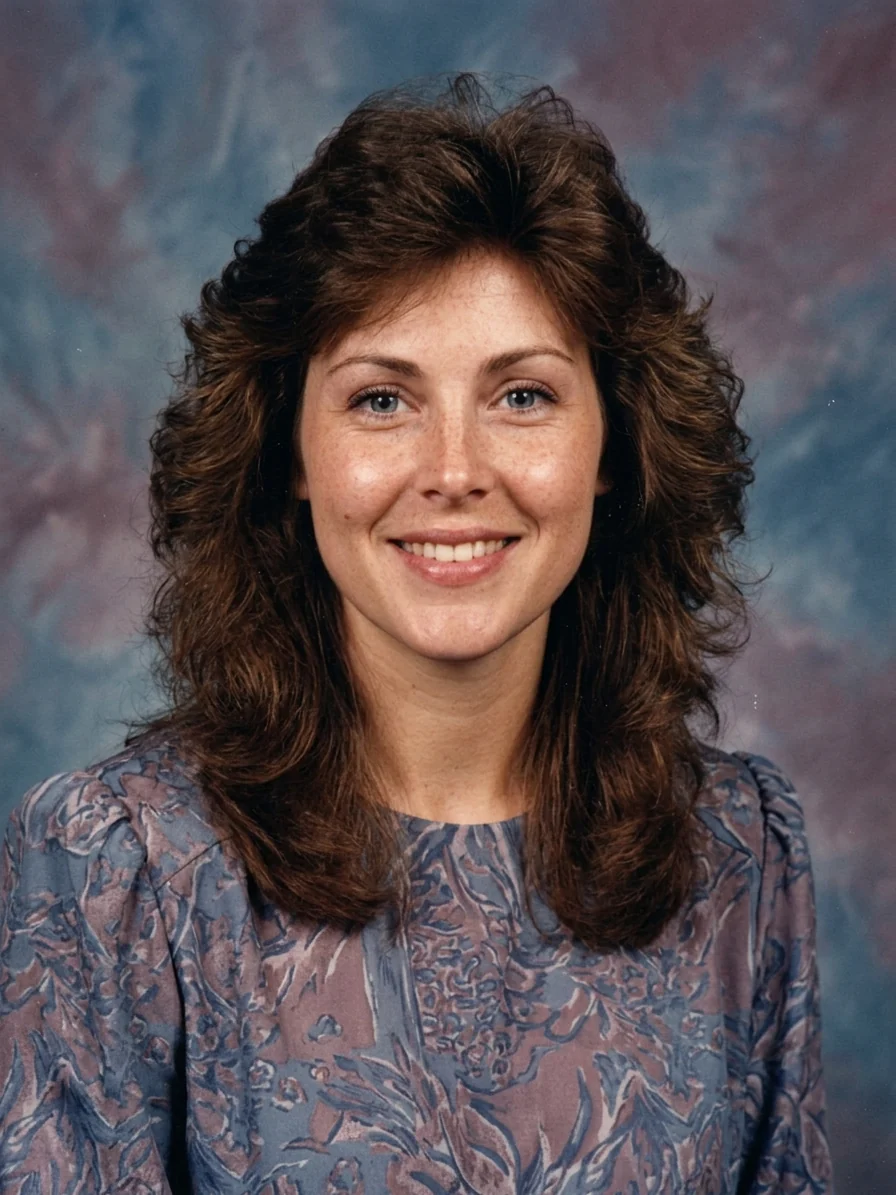
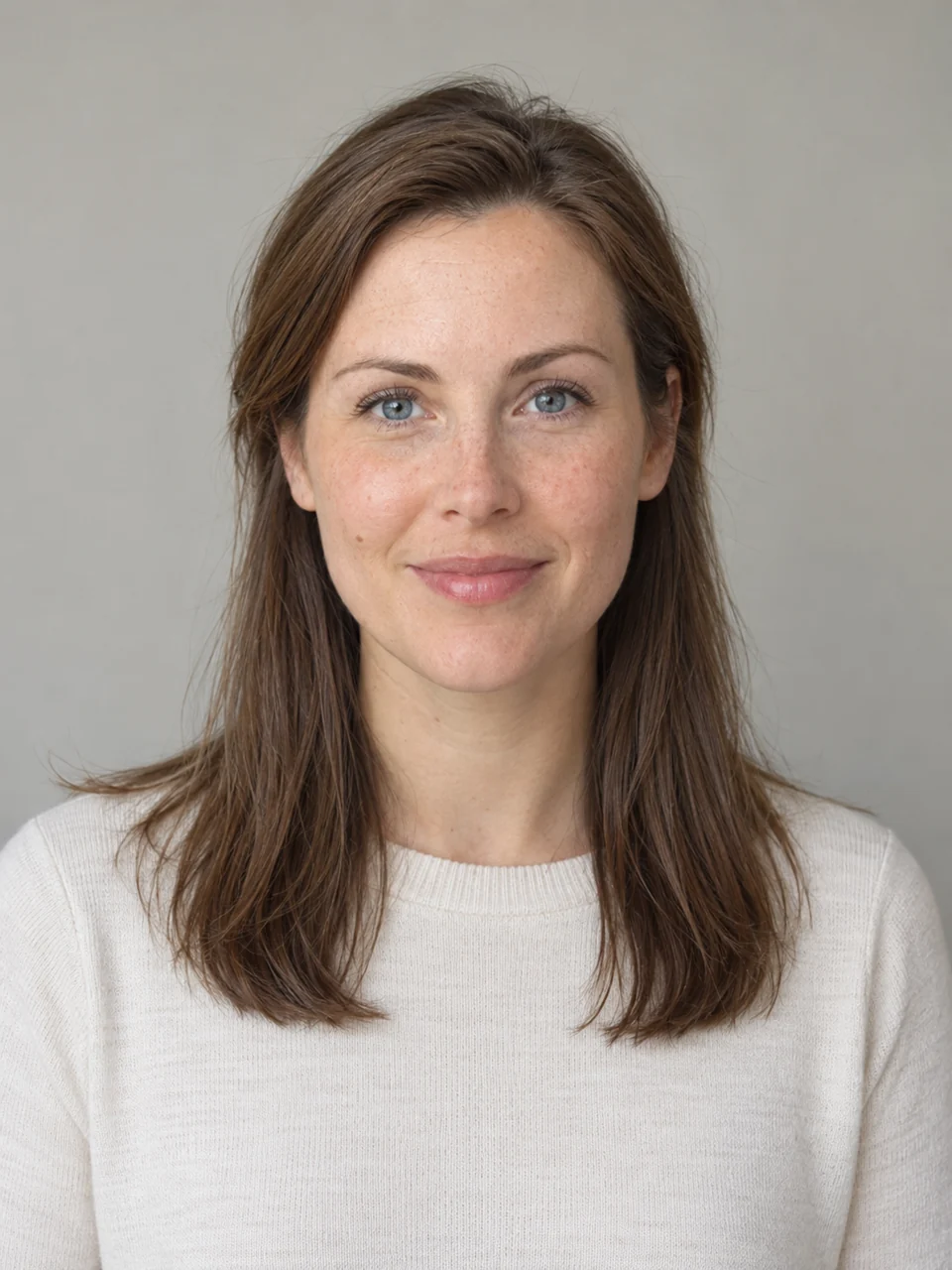
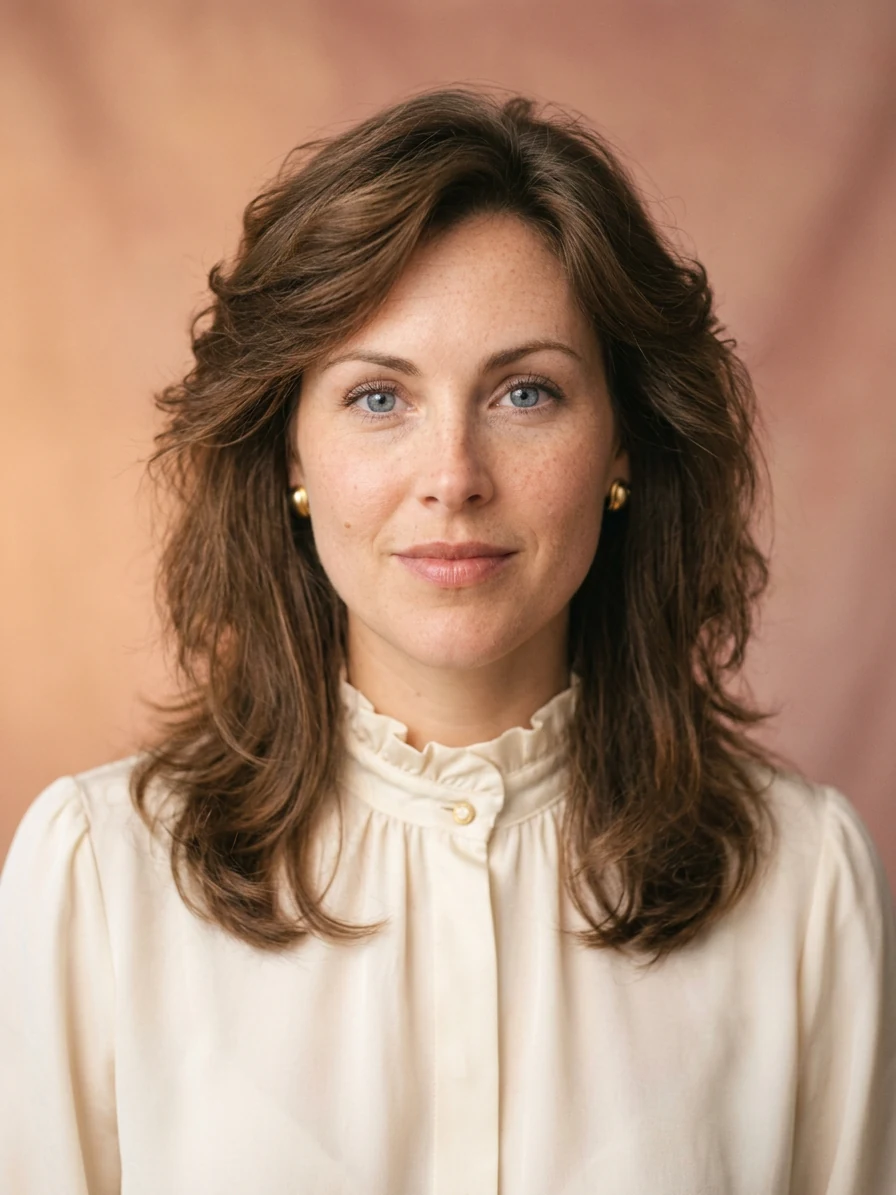
Choose clear light and a simple composition
Even light helps you compare facial proportions and skin tone. A recent, unfiltered portrait is easier to evaluate than a photo with strong colored lighting, motion blur or a face-smoothing effect already applied. Keep other people outside the frame. If hair covers one eye or an accessory hides the jaw, the result may need to invent details that were never visible in the original.
A slight turn of the head can work as a portrait composition, but an extreme profile makes identity comparison harder. Do not expect a cropped source to become an accurate full-body picture. Start with the area you actually want to transform. Check both the original and the output at a readable size, including the shoulders, neckline and any jewelry that remains in view.